
Authorization is no longer new in civil transactions, for authorization to enter into divorce, there are special regulations. Since divorce involves the personal rights of each person and is an important decision, the person is obliged to make the decision and bear responsibility for it.
I. What is an authorization to enter into divorce?
Pursuant to Article 562 of the Civil Code 2015, an authorization to enter into divorce can be understood as an agreement between the parties, according to which the authorized party is obliged to perform the work on behalf of the authorizing party, in particular, here the authorized party is responsible for the party authorizing the party to enter into divorce; the authorizing party is only liable to pay remuneration if an agreement or law is prescribed.
II. Is authorization to enter into another person's divorce proceedings allowed?
Pursuant to Clause 4, Article 85, of the Code of Civil Procedure 2015, the authorized representative pursuant to the Civil Code is the authorized representative in civil proceedings.

In the case of divorce, the persons concerned are not allowed to authorize another person to take part in the proceedings on behalf of the persons concerned. However, there are cases where a father, mother, or other relatives requests the Court to settle a divorce pursuant to the Family and Marriage Law, then they are the representatives.
III. In what circumstances is an authorization to enter into divorce required?
Pursuant to Clause 2 of Article 51 of the Family and Marriage Law 2014, the right to seek divorce resolution is provided, including the following cases where the authorization to enter into divorce is required:
In the case of the father, mother, or other relatives of either the wife's side or the husband's side, is entitled to request the Court to settle the divorce and to act as a representative if the following conditions are met:
Firstly, the wife or the husband has a mental illness or other illness that they can't be aware of, in control of one's own behavior.
Secondly, they are also victims of domestic violence caused by their husbands and wives, which seriously affects their lives, their health, and their mental health.
Thus, if the case of divorce meets the above two conditions, it is necessary for the authorization to enter into divorce to the father, mother, and other relatives to request the Court to settle the divorce if the wife or husband cannot enter into divorce on their own.
IV. How is the procedure for the authorization to enter into divorce carried out?
If the authorization does not require notarization, the parties will just have to make an agreement, proceed to the creation of a power of attorney, sign, and seal.
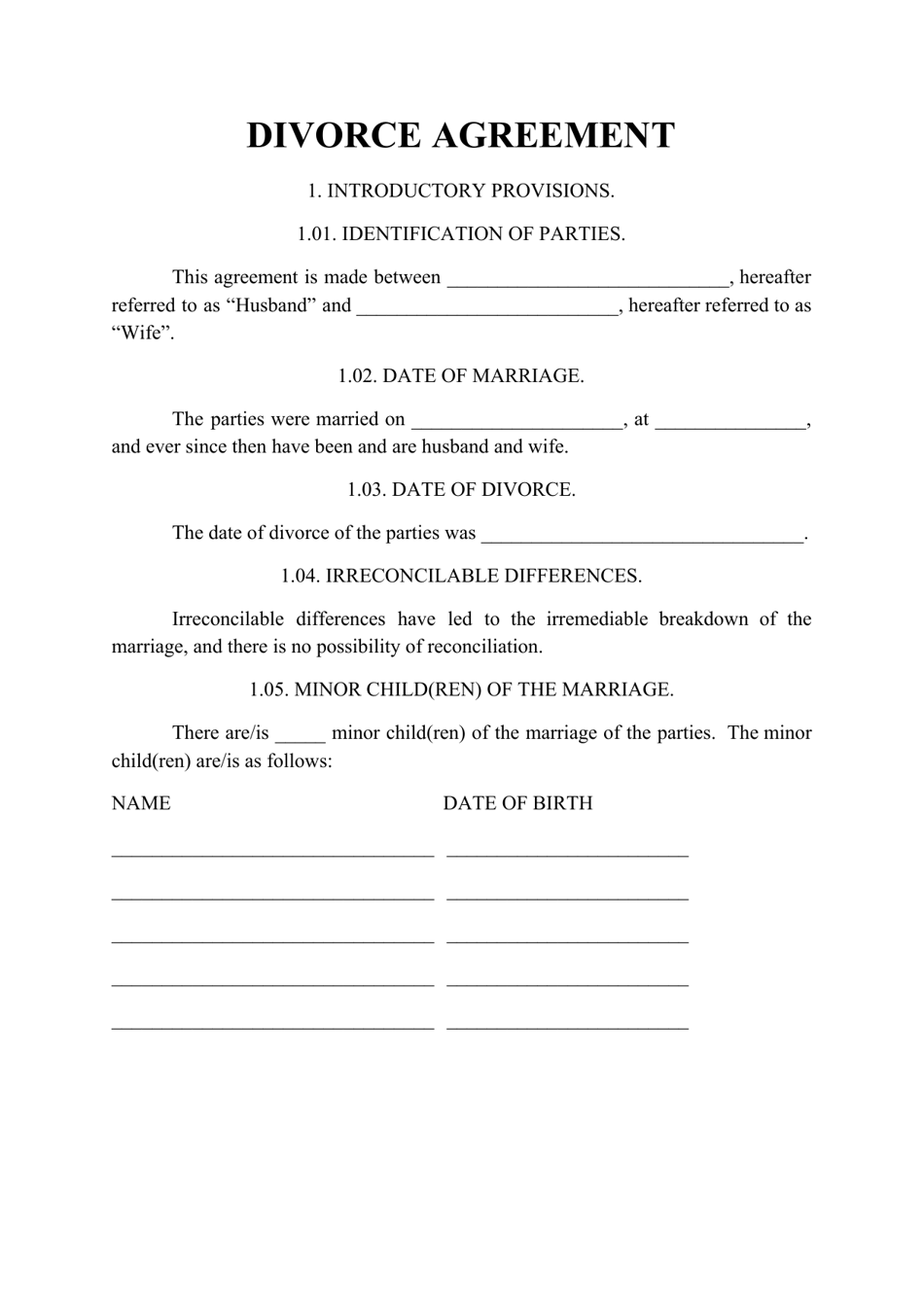
If an authorization contract has to be notarized, it shall be carried out pursuant to Article 55 of the Law on Notarize 2014, namely:
- When notarizing authorization contracts, it is the duty of the notarized officer to carefully examine the dossiers, explaining the rights and obligations of the parties and the legal consequences of such authorization for the parties.
- In the event that the authorizing party and the authorized party cannot go together to a notarize organization, the authorizing party requests the notarize organization in their place of residence to notarize the authorization contract; the authorized party continues to request the notarize organization in their place of residence to notarize the same original authorization contract, completing the procedure of notarization of the contract of authorization.
V. Is it allowed to authorize a lawyer to participate in a divorce settlement?
Pursuant to Clause 4, Article 85, of the Code of Civil Procedure 2015, the authorized representative pursuant to the Civil Code is the authorized representative in civil proceedings.

In the case of divorce, the persons concerned are not allowed to authorize another person to take part in the proceedings on behalf of the persons concerned. However, in the case of a divorce that fulfills the following conditions, the father, mother, or other relatives of either the wife's side or the husband's side has the right to request the Court to settle the divorce and to act as a representative:
Firstly, the wife or the husband has a mental illness or other illness that they can't be aware of, in control of one's own behavior.
Secondly, they are also victims of domestic violence caused by their husbands and wives, which seriously affects their lives, their health, and their mental health.
Thus, according to the law, participation in divorce proceedings is the matter of the wife, the husband, and is not allowed to authorize another person, including lawyers involved in the proceeding.
Father, mother, and other relatives may only be the representative in cases where the wife or the husband is unable to participate in the proceedings on their own due to the above-mentioned reasons.
However, the current regulation only stipulates that the wife, the husband, is not allowed to authorize another person to participate in the divorce proceedings and does not prohibit the person authorizing another person to file a divorce application on his/her behalf. Therefore, the husband and wife can authorize another person to file for divorce in court in accordance with the provisions of the law on authorization. Therefore, a wife or husband may seek advice from a lawyer on the divorce or authorize him or her to file a divorce application on his or her behalf.
VI. Why should a lawyer be authorized to enter into a divorce?
Although the law clearly regulates the authorization to enter into divorce, in a divorce case, a lawyer cannot take part in the proceedings on behalf of the person concerned. However, a lawyer may:
- Supportive, legal consultation on divorce;
- Submit the applicant for divorce on behalf of the person concerned, submit the interim application fee, receive notice of the handling of dossiers, of amendments, and supplementation of the dossier;
- Attend conciliation sessions, publicly presenting evidence alongside the person concerned;...
Therefore, it is necessary to seek legal advice on procedural and related matters in divorce in order to secure legitimate rights and interests. At the same time, in conciliation sessions, publicly presenting evidence, the lawyer who accompanies the person concerned can help the person make the best decisions, guaranteeing his or her own interests.
With a team with more than 10 years of experience in providing multidisciplinary legal advice, especially marriage and family. With an enthusiastic attitude, careful processing of dossiers, and a and a professional working style, NPLaw can entirely help you secure your rights and legitimate interests while helping you make the best decisions and deals for yourself. In order to resolve problems and support legal proceedings, you can rely on NPLaw. Contact the following information.