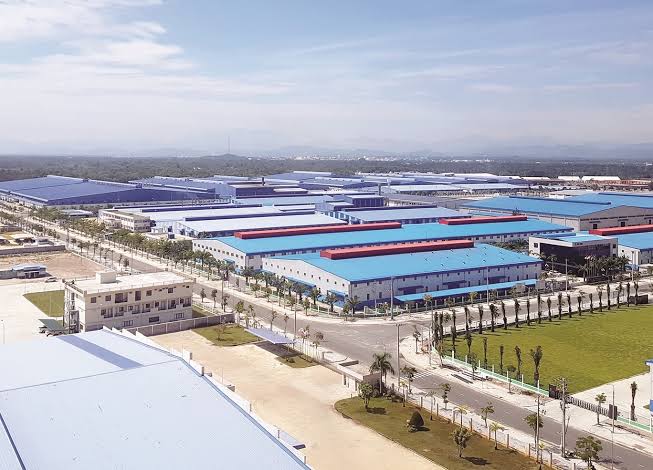
Legal consultation on land use rights in industrial parks has become an increasingly essential need as enterprises face a growing number of legal challenges in the leasing, utilization, and exploitation of land. In the context of continuously evolving legal regulations and increasingly limited land resources, misunderstanding or improperly applying legal provisions may expose enterprises to significant financial and legal risks.
I. Current situation relating to legal consultation on land use rights in industrial parks
At present, the demand for legal consultation on land use rights in industrial parks is increasing as the number of enterprises investing in industrial parks continues to grow. However, many enterprises still do not pay adequate attention to conducting legal due diligence on land matters before and during the land leasing process, resulting in an incomplete understanding of their rights and obligations, particularly concerning land use terms, permitted land use purposes, and conditions for transfer or sublease.

The legal framework governing land and industrial parks remains subject to amendments and certain overlaps, creating difficulties for enterprises in applying the regulations correctly. In practice, numerous disputes, administrative sanctions, and interruptions to production and business operations have arisen due to the lack of timely and specialized consultation on land use rights in industrial parks.
II. Concept of legal consultation on land use rights in industrial parks
1. What is legal consultation on land use rights in industrial parks?
Legal consultation on land use rights in industrial parks refers to the provision of legal opinions, guidance, and support to enterprises in establishing, exercising, and protecting their land use rights when leasing land within industrial parks.
Such consultation generally includes:
- Explaining relevant legal regulations;
- Reviewing land-related legal documents;
- Assessing the rights and obligations of enterprises;
- Assisting in the resolution of issues arising during the land use process.
Through legal consultation on land use rights in industrial parks, enterprises can ensure that land is used for the correct purpose, within the permitted duration, and in compliance with applicable laws, while minimizing the risks of disputes, administrative sanctions, or adverse impacts on investment, production, and business activities.
2. The role of legal consultation on land use rights for enterprises operating in industrial parks
Legal consultation on land use rights in industrial parks plays a critical role in helping enterprises understand their rights and obligations when leasing land within industrial parks. Through such consultation, enterprises can ensure that land is used for the intended purpose, within the approved duration, and in conformity with applicable planning regulations, thereby avoiding legal violations that could result in sanctions or land recovery.
Legal consultation also assists enterprises in reviewing the legality of land lease agreements, land-related documents, and relevant conditions prior to making investment decisions. It helps minimize dispute risks, ensure operational stability, and establish a solid legal foundation for long-term investment strategies.
During the course of operations, legal consultation further supports enterprises in handling issues such as extending land use terms, changing land use purposes, or addressing situations involving State land recovery. As a result, enterprises can proactively respond to challenges and effectively safeguard their lawful rights and interests.
3. What legal risks may enterprises face if they do not obtain consultation on land use rights in industrial parks?
Without legal consultation on land use rights in industrial parks, enterprises may face numerous significant legal risks throughout their investment and operational activities.
First, enterprises may violate regulations relating to land use purposes, land use duration, or construction conditions. In addition, failure to thoroughly review legal documents and land lease agreements may increase the likelihood of disputes with industrial park infrastructure developers or other relevant parties.
Enterprises may also have difficulties in exercising rights such as transferring, subleasing, or mortgaging land use rights due to a lack of understanding of the applicable legal conditions. In particular, when the State recovers land or when the land use term expires, enterprises that do not receive timely legal advice may suffer losses relating to compensation, support entitlements, or fail to complete extension procedures in time, thereby directly affecting production and business operations.
III. Legal regulations relating to consultation on land use rights in industrial parks
1. Which entities commonly require consultation on land use rights in industrial parks?
Entities that commonly require consultation on land use rights in industrial parks include:
- Domestic enterprises planning to lease land, expand factories, or adjust production activities within industrial parks;
- Foreign-invested enterprises (FDI enterprises) seeking to understand the legal conditions for accessing and using land in Vietnam;
- Industrial park infrastructure developers engaged in land subleasing, contract execution, and land fund management;
- Investors, organizations, and individuals wishing to receive transfers, sublease land, or contribute capital using land use rights within industrial parks;
- Enterprises currently operating in industrial parks that encounter legal issues relating to land use terms, land use purposes, land use extensions, or compensation arising from land recovery.
2. How does current law regulate land use rights in industrial parks?
Pursuant to Clause 3, Article 202 of the Land Law 2024 (as guided by Article 93 of Decree No. 102/2024/ND-CP, as amended by Clause 4, Article 7 of Decree No. 226/2025/ND-CP), an infrastructure developer that has been leased land by the State for investment in and commercial operation of industrial park or industrial cluster infrastructure and pays annual land rental may convert to a one-off land rental payment method for the entire lease term in respect of all or part of the commercial land area.

Specifically:
- For the land area leased under the annual land rental payment method, the infrastructure developer is entitled to sublease the land with annual land rental payments.
- For the land area leased under the one-off land rental payment method for the entire lease term, the infrastructure developer is entitled to sublease the land either with one-off land rental payments for the entire lease term or with annual land rental payments.
In addition, Clause 1, Article 93 of Decree No. 102/2024/ND-CP, as amended by Clause 4, Article 7 of Decree No. 226/2025/ND-CP, provides that public non-business units leased land by the State for investment in and commercial operation of industrial park or industrial cluster infrastructure as prescribed in Clause 2, Article 202 of the Land Law are entitled to sublease land together with the associated infrastructure.
3. What legal matters are included in consultation on land use rights in industrial parks?
Consultation on land use rights in industrial parks generally covers the following core legal matters:
- Reviewing and assessing land-related legal documentation: Verifying the legality of the right to sublease land, land use duration, planning status, and land use conditions under the Land Law;
- Advising on, drafting, and negotiating land lease agreements: Ensuring that provisions relating to rights, obligations, rental rates, extensions, and contract termination comply with applicable laws and adequately protect the enterprise’s interests;
- Advising on rights and obligations during land use: Including proper land use purposes, fulfillment of financial obligations, and conditions for transfer or sublease;
- Assisting with administrative procedures: Including applications for Land Use Rights Certificates (if eligible), project adjustments, extensions of land use terms, and registration of land changes;
- Advising on risk management and dispute resolution: Including matters involving contractual breaches, land recovery, compensation, and support in accordance with applicable laws.
4. Can an enterprise obtain a land use rights certificate when leasing land in an industrial park?
Pursuant to Clause 3, Article 135 of the Land Law 2024 concerning the principles for issuance of Land Use Rights Certificates, if land is leased under the annual land rental payment method, a Land Use Rights Certificate may be issued after the competent authority issues the land lease decision and the land lease agreement has been executed.
According to Clause 2, Article 202 of the Land Law 2024 (as guided by Article 93 of Decree No. 102/2024/ND-CP and amended by Clause 4, Article 7 of Decree No. 226/2025/ND-CP), enterprises primarily sublease land from industrial park infrastructure developers.
IV. Questions relating to consultation on land use rights in industrial parks
1. Is an enterprise permitted to unilaterally change the land use purpose in an industrial park?
Pursuant to Clause 2, Article 122 of the Land Law 2024, entities that are allocated land, leased land, or permitted by the State to change the land use purpose for the implementation of investment projects must satisfy the statutory conditions prescribed by law. Accordingly, when an enterprise intends to change the land use purpose of land within an industrial park, it must determine whether such change falls within the cases requiring prior approval from the competent authority under Clause 1 of the same Article and whether all applicable legal conditions for the change of land use purpose have been fulfilled.
Thus, an enterprise is not entitled to unilaterally change the land use purpose of land within an industrial park without complying with the approval requirements and statutory conditions prescribed by law.
2. Upon expiry of the land use term in an industrial park, is an enterprise entitled to an extension?
Upon the expiry of the land use term in an industrial park, an enterprise may be considered for an extension; however, such extension is not granted automatically.

Pursuant to Clause 1, Article 172 of the Land Law 2024, when the land use term expires, an enterprise has the right to apply to the competent authority for an extension within the statutory time limit prescribed by law. Particularly, regarding investment projects in industrial parks and industrial clusters, Clause 4 of Article 172 provides that where the operational term of the investment project exceeds the remaining land use term of the industrial park or industrial cluster, the investor must obtain approval from the competent State authority to adjust the land use term accordingly. However, the total land use term must not exceed seventy (70) years, and the investor is required to pay land use fees or land rental corresponding to the adjusted land use period.
3. What legal regulations should foreign-invested enterprises be aware of when using land in industrial parks?
Foreign-invested enterprises should pay particular attention to the following legal requirements when using land within industrial parks:
- Foreign-invested enterprises are generally not eligible to receive land allocation by the State but may only lease land directly from the State or sublease land from authorized entities, under Articles 118 and 119 of the Land Law 2024.
- Land must be used strictly in accordance with the approved investment project. Any change to the project objectives or land use purpose requires adjustment procedures in accordance with Clause 3, Article 41 of the Law on Investment 2020.
- Pursuant to Point e, Clause 2, Article 41 of the Land Law 2024, economic organizations with foreign-invested capital that are leased land by the State under the annual land rental payment method are entitled to sublease land use rights under the same annual rental payment method for land on which infrastructure construction has been completed, provided that they are authorized to invest in and operate industrial park infrastructure projects.
4. How are enterprises entitled to compensation and support when the state recovers land in an industrial park?
When land within an industrial park is recovered by the State, enterprises may be entitled to compensation and support if they satisfy the statutory conditions. Clause 2, Article 95 of the Land Law 2024 sets out the conditions for compensation eligibility. Depending on the circumstances, enterprises may be entitled to:
- Compensation for land;
- Compensation for assets attached to land;
- Compensation for investment costs incurred in relation to the land;
- Compensation for relocation expenses.
In addition, enterprises may receive support for production stabilization, relocation assistance, and allocation of alternative business locations, depending on the specific circumstances, pursuant to Article 108 of the Land Law 2024.
5. At what stage should an enterprise seek legal consultation on land use rights in industrial parks to achieve the best results?
Enterprises should engage legal counsel regarding land use rights in industrial parks as early as the investment preparation stage and during negotiations of land lease arrangements. Early legal consultation enables enterprises to conduct legal due diligence on the project, verify land use conditions, and review infrastructure lease agreements.
Legal advice is also particularly important when:
- Adjusting investment projects;
- Transferring projects or assets;
- Facing potential disputes;
- Dealing with land recovery issues.
Seeking legal consultation at an early stage helps enterprises minimize costs, avoid regulatory violations, and maximize the protection of their lawful rights and interests.
V. Why should enterprises choose NPLaw for legal consultation on land use rights in industrial parks?
NPLaw possesses a team of lawyers with extensive expertise in land law and investment regulations applicable to industrial parks, enabling enterprises to identify and effectively manage legal risks. Our practical consulting approach is tailored to the specific characteristics of each project, ensuring optimal solutions that fully comply with applicable legal requirements.
In addition, NPLaw provides continuous legal support throughout the investment and operational process, helping enterprises save both time and costs while maintaining legal compliance.
Legal consultation on land use rights in industrial parks not only assists enterprises in correctly understanding legal regulations but also serves as an essential tool for managing legal risks throughout the investment lifecycle. Proactively obtaining consultation on land use rights in industrial parks contributes significantly to ensuring lawful, stable, and sustainable land utilization.
The above information is provided for reference purposes only. Should you require detailed legal advice regarding your specific circumstances, please contact NPLaw for immediate assistance.